
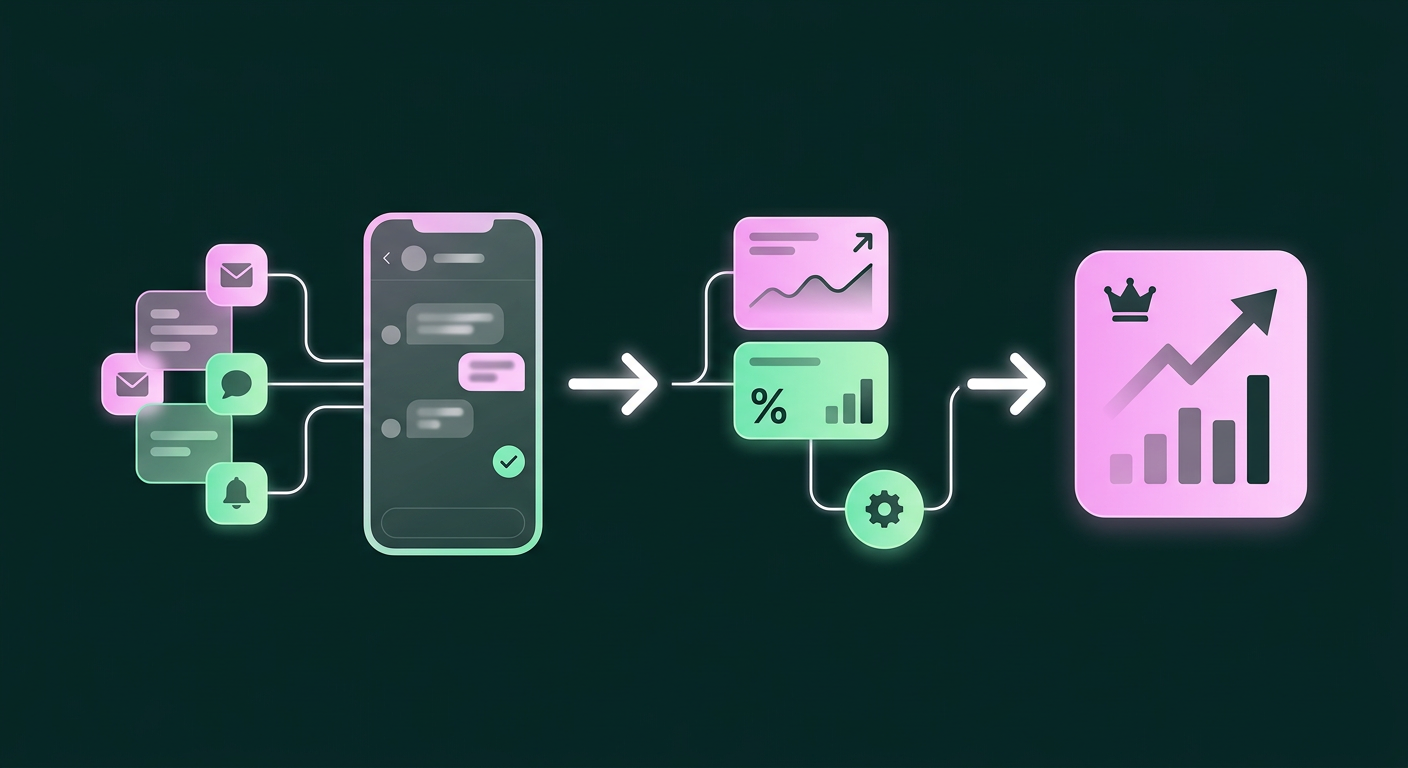
As a marketing leader, you’re feeling the pressure of a financial model that’s starting to break. You're pouring an ever-increasing budget into customer acquisition on platforms like Meta and Google, only to see the vast majority of those hard-won customers buy once and then disappear. It’s frustrating to pay for retargeting ads just to re-acquire your own customers, and it's clear the old playbook is no longer sustainable. The fundamental solution isn't to find cheaper clicks; it's to shift your focus from endlessly renting an audience to truly owning the customer relationship, the only reliable path to increasing customer lifetime value (LTV).
Stop Paying to Re-Acquire the Same Customers
An acquisition-only strategy is a financial dead end. It is dramatically more expensive to acquire a new customer than to retain an existing one, making a business model based on one-time purchases inherently unprofitable and difficult to scale.
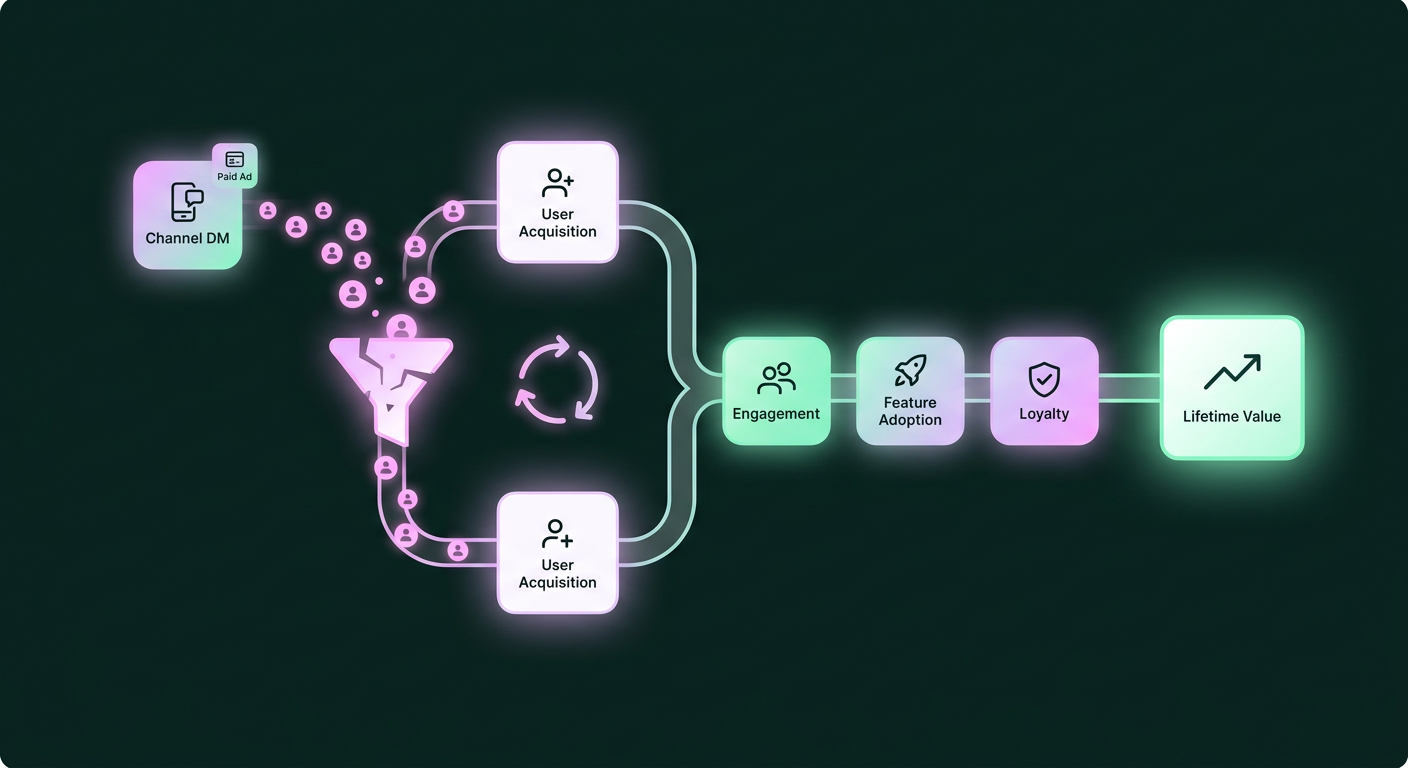
For years, the standard DTC growth model was simple: spend more on ads to get more customers. That math no longer works now that platforms are more saturated and costs are rising. You get caught in a cycle of paying the same platforms for attention over and over, even for customers who have already bought from you. The reality is that acquiring a new customer can be anywhere from five to 25 times more expensive (opens in a new tab) than keeping one you already have. When your business model relies on constantly refilling the bucket with expensive, single-purchase customers, you aren't building a sustainable asset; you're just treading water on a cash-burning treadmill. The strategic imperative is to shift your focus from the top of the funnel to the entire lifecycle, building a system that turns first-time buyers into loyal, repeat purchasers.
Why LTV is the One Metric That Matters Now
Customer lifetime value is the most critical metric for sustainable growth because focusing on retention has a disproportionately massive impact on profitability. Retained customers are not only cheaper to keep but also spend significantly more over time, creating a powerful engine for profitable scaling.
Once you stop seeing acquisition as the only goal, the financial urgency of prioritizing LTV becomes obvious. It's not a vanity metric; it's a direct reflection of your business's health and long-term viability. The leverage you get from retention is enormous. For example, studies have shown that increasing customer retention by just 5% can lead to profit increases ranging from 25% to 95% (opens in a new tab). A small tweak in your retention efforts can have an outsized effect on your bottom line. This isn't a minor optimization; it's a fundamental shift in financial leverage.
This effect is compounded by customer behavior. It’s not just about saving money on acquisition, but also generating more revenue from the customers you already have. For instance, a widely-cited analysis showed that in 2024 repeat customers spend 67% more on average than first-time buyers. They trust your brand, understand your value, and are more likely to purchase higher-margin items or buy more frequently.
Ultimately, a high LTV indicates that you've built a real relationship with your customers, one that isn't dependent on your next ad campaign. It means you have a resilient, predictable revenue stream that lets you weather market changes and invest in growth from a position of strength, not desperation. This incredible financial leverage is why a simple 5% improvement in retention can increase profits by 25% to 95% (opens in a new tab), making it the single most powerful lever a CMO can pull.
The Path to Higher LTV: From Ad Spend to Owned Channels
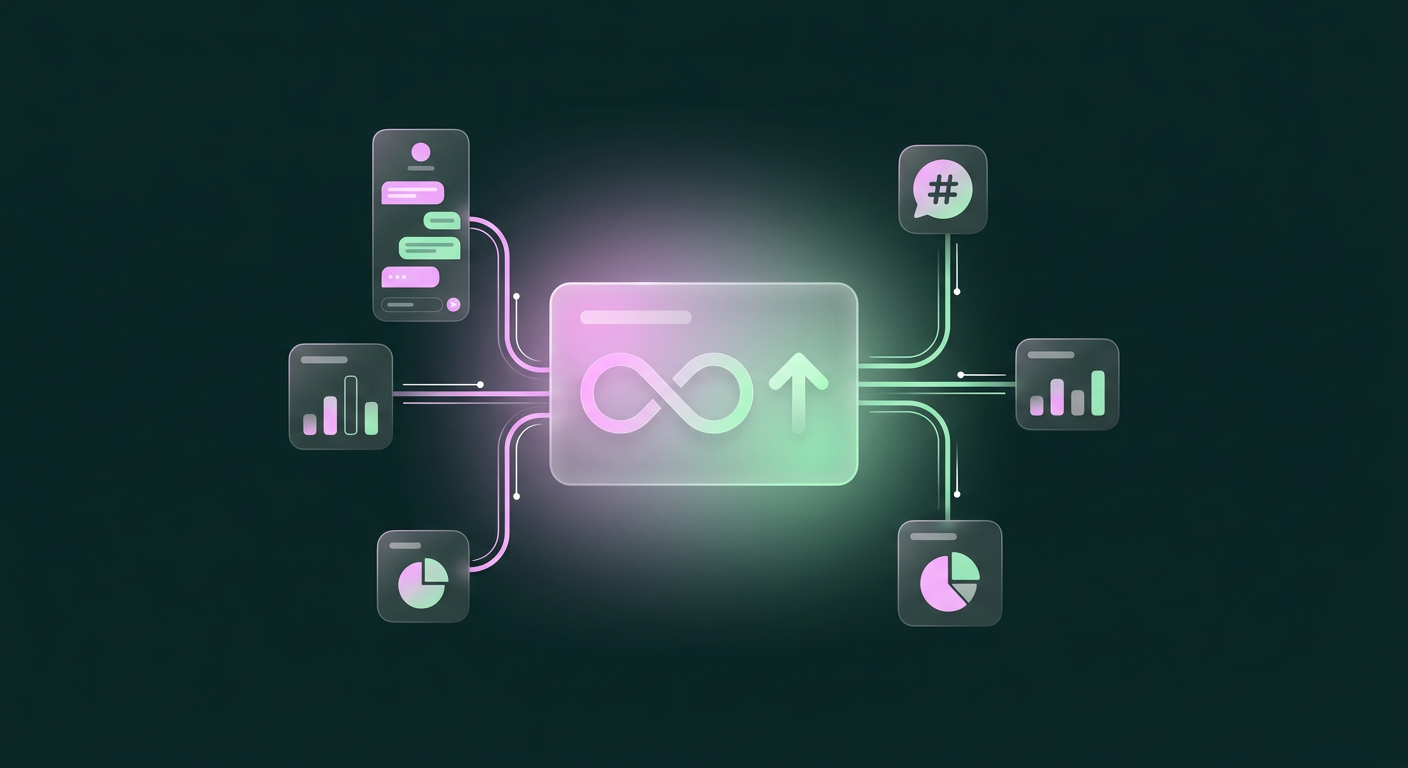
With the financial stakes clear, the strategic path forward involves three key phases: meticulously mapping your buyer journey, intentionally moving the customer conversation to direct, owned channels like DMs, and then automating your lifecycle messaging to scale those relationships.
This journey is about fundamentally changing how you communicate with your customers. It's a deliberate move away from shouting at them through paid ads and toward having personalized 1:1 conversations where they already spend their time. This creates the kind of positive experience that builds loyalty and, therefore, LTV.
Phase 1: Map the First-Time Buyer Journey
Before you can automate anything, you have to understand the human experience behind the data. The goal here is to identify every key moment, point of friction, and opportunity for delight that a customer encounters from their first click to their first purchase and beyond. Effective automation isn't about blasting generic messages; it's about intervening at the perfect moment with the perfect piece of information.
Start by asking critical questions. What happens 24 hours after their first purchase? What about a week later? When is the natural time for them to consider a second purchase? What are the most common questions they have post-purchase? Identifying these moments allows you to design a communication strategy that feels helpful and personal, rather than intrusive. This map becomes the blueprint for your entire retention engine.
Phase 2: Move the Conversation to Direct Channels
Once you understand the journey, the next step is to choose the right place to have these conversations. Traditional channels like email are overcrowded and often ignored, and retargeting ads feel impersonal. The real opportunity lies in moving the relationship to direct, conversational channels like Instagram DMs and WhatsApp. The reason this works is simple: you're meeting customers in a space where they have authentic, one-on-one conversations with friends and family. A message here feels more personal and urgent, which leads to dramatically higher engagement.
This approach is validated by data showing that a better digital experience is directly tied to a higher LTV. For instance, the Contentsquare 2025 Digital Experience Benchmarks report (opens in a new tab) provides compelling evidence that when customers enjoy their online interactions with a brand, their lifetime value sees a significant increase. By shifting to DMs, you're not just sending a marketing message; you're cultivating a better, more direct experience that fosters that crucial sense of connection. This is a core part of the new direct-to-consumer marketing strategy.
Phase 3: Automate Your Lifecycle Messaging in DMs
Mapping the journey and choosing the channel are critical, but the real power comes from automating the execution. Manually sending personalized DMs to every customer at every lifecycle stage is impossible at scale, which is why automation is essential. The goal is to use a system that can plug into your existing CRM or customer data platform (like Klaviyo or Braze) and automatically trigger personalized 1:1 DMs based on customer behavior.
This means a new customer can automatically receive a warm welcome DM with a helpful tip about their purchase, or a customer who hasn't purchased in 60 days can get a gentle win-back message checking in. This is full-funnel lifecycle marketing, executed in the channel where customers actually pay attention. By automating these conversations, you ensure that every customer receives timely, relevant communication that nurtures them toward their next purchase, all without requiring constant manual effort from your team. This is how you build a true retention engine and explore all the possible use cases for automated engagement (opens in a new tab).
Common Pitfalls: Why Retargeting Ads Fail to Boost LTV
Even with a clear plan, many brands falter by remaining tethered to old habits. Relying on paid retargeting ads to drive retention is a common pitfall that fails due to ad fatigue, rising costs, and a fundamental inability to build a genuine, personalized relationship.
Many marketers intuitively understand the need for retention but try to solve it with the same tool they use for acquisition: paid ads. This approach is deeply flawed and often does more harm than good. Understanding these pitfalls is key to successfully making the shift to an owned-channel strategy and learning how to increase customer lifetime value without more ads.
The Problem with Ad Fatigue and Rising Costs
When a customer sees the same retargeting ad for a product they've already viewed or purchased, it quickly becomes noise. Ad fatigue sets in, click-through rates plummet, and you end up paying more and more for diminishing returns. You're annoying your existing customers while simultaneously burning through your budget, which is the exact opposite of what a good retention strategy should accomplish.
Why Generic Retargeting Lacks Personalization
The personalization offered by most ad platforms is superficial at best. Showing someone an ad for a pair of shoes they left in their cart isn't a relationship; it's a simple trigger. It doesn't account for why they abandoned the cart, whether they bought a similar item elsewhere, or what their next logical purchase might be. True personalization is conversational and contextual. It’s about understanding where the customer is in their journey and sending a message that helps them take the next step, something a display ad is simply not equipped to do.
The Trap of Renting vs. Owning the Relationship
Here lies the most critical mistake. Every dollar you give to Meta or Google to speak to your own customer base is rent. You're paying a toll to access a relationship that should belong to you. The moment you stop paying, that access disappears. Building your retention strategy on this rented land is building on a foundation of sand. The alternative is to use those initial interactions to guide customers into an owned channel, like a DM conversation. Once a customer has opted into messaging with you, that connection is yours. You are no longer at the mercy of ad auctions and algorithms to nurture your most valuable asset: your existing customer base.
What "Done" Looks Like: A Self-Sustaining Retention Engine
Avoiding those mistakes leads to the goal: an automated, self-sustaining retention engine that operates primarily in direct messaging channels. This system predictably converts one-time buyers into repeat purchasers, systematically increasing LTV and reducing your dependence on expensive acquisition without constant manual effort.
When you've successfully made this transition, your marketing ecosystem looks completely different. Instead of a team scrambling to optimize ad campaigns to hit next month's revenue target, you have a calm, predictable system working in the background. This engine automatically identifies key moments in the customer lifecycle and responds with personalized, helpful 1:1 DMs that feel less like marketing and more like concierge service. The result is a customer base that feels seen and valued, creating a natural inclination to purchase again.
The metrics prove the effectiveness of this approach. While email open rates continue to decline, DM open rates often exceed 80%, creating an unparalleled opportunity for engagement. This isn't just about getting seen; it's about driving action. This engine turns your CRM from a passive database into an active, revenue-generating asset. Your dependence on paid acquisition shrinks, your profit margins grow, and your brand's growth becomes more resilient and predictable. You're no longer just buying transactions; you're building relationships that pay dividends for years to come.
Frequently asked questions
How do I know if I should prioritize acquisition or retention?
You should almost always be prioritizing retention, as the economics are far more favorable. While some acquisition is always necessary for growth, the real leverage is in retention. It's five to 25 times cheaper to keep a customer than to acquire a new one, and a small 5% boost in retention can increase company profits by 25% to 95%. If your business model relies heavily on first-time buyers, shifting focus to retention will have a more immediate and dramatic impact on your profitability.
Why is Customer Lifetime Value so important for marketing leaders?
Marketing leaders focus on LTV because it's a direct measure of the long-term health and profitability of the business. Unlike short-term metrics like conversion rate or cost-per-acquisition, LTV reveals whether you are building a sustainable customer base. A high LTV indicates strong product-market fit, customer loyalty, and a resilient business model that isn't solely dependent on new customer acquisition. Because repeat customers spend 67% more on average, a rising LTV is one of the clearest indicators of profitable growth.
How is Customer Lifetime Value different for a subscription model?
For a subscription model, LTV is often more straightforward to calculate and even more critical to the business. Instead of predicting the frequency of future one-off purchases, LTV is primarily a function of the monthly or annual recurring revenue (MRR/ARR) multiplied by the average customer lifespan. In a subscription context, LTV-boosting efforts are focused squarely on reducing churn and increasing the duration of the subscription, often through excellent onboarding, consistent value delivery, and strategic upsells to higher tiers.
My DTC brand's growth has stalled. Will focusing on LTV help?
Absolutely. Hitting a growth plateau is a classic sign that an acquisition-first strategy has reached its limit. The cost to acquire new customers likely now exceeds their initial transaction value, making further scaling unprofitable. Focusing on LTV is the perfect way to break through this ceiling. By building systems to drive second, third, and fourth purchases from your existing customer base, you generate more profit from every dollar you've already spent on acquisition, creating the capital and stability needed for the next phase of growth.
Why are my Facebook ads failing to bring back past customers?
Your Facebook ads are likely failing to win back customers for three main reasons. First, ad fatigue sets in quickly, and your customers are tuning out repetitive ads. Second, the personalization is too generic and doesn't reflect a real understanding of their journey. Finally, and most importantly, you're trying to communicate in a loud, crowded environment (their feed) instead of a personal, direct channel. This is the "renting vs. owning" problem. Effective retention happens in owned channels like DMs, where the conversation is personal and the relationship belongs to you, not the ad platform.