
The old "earn-and-burn" model for B2B customer loyalty is on its way out. The proof is that 65% of B2B companies are actively planning to launch entirely new loyalty programs or significantly upgrade their existing onescom/blog/b2b-loyalty-program-and-customer-behavior-statistics). Businesses are realizing that simple volume discounts and points-based systems don't build the resilient partnerships they now recognize as their most valuable assets. Instead, the focus is shifting away from rewarding transactions and toward building genuine, service-oriented relationships.
The "Earn-and-Burn" Model Is Fading
For years, the standard B2B loyalty playbook was a simple calculation: partners who bought more received more, usually in the form of rebates, bulk discounts, or tiered pricing. This model was easy to implement and measure because it treated loyalty as a predictable outcome of spending, rewarding past behavior with simple financial incentives that could be managed on a spreadsheet.
The problem with this transactional approach is that it fails to build any genuine connection or competitive moat. The moment a competitor offers a slightly better discount, that "loyal" customer has no compelling reason to stay. This earn-and-burn cycle creates a race to the bottom on price, undermining margins and fostering a purely conditional relationship. It overlooks the human element of business partnerships, reducing strategic allies to mere line items in a rewards ledger. Today, businesses understand that true loyalty is an outcome of a superior experience, consistent support, and a feeling of being genuinely valued beyond the last invoice.
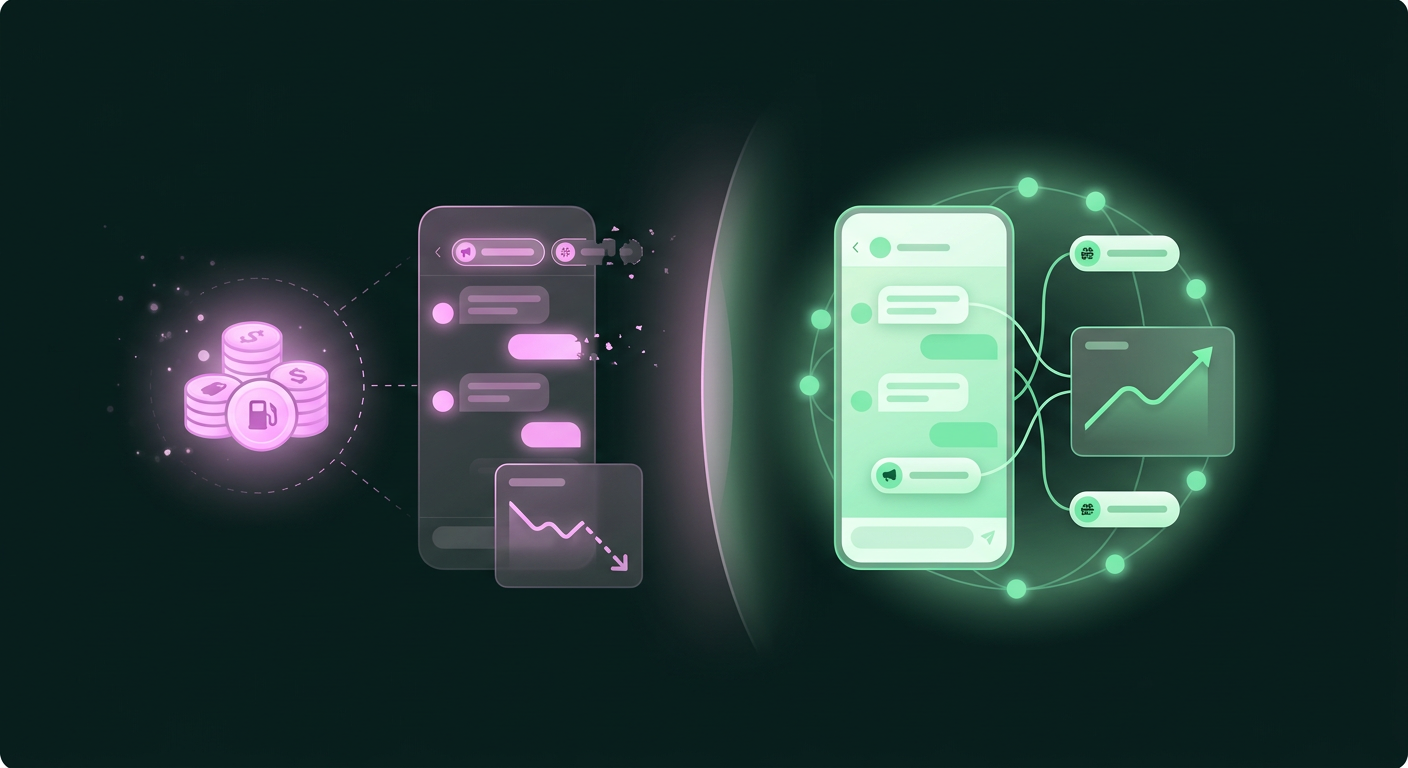
From Transactional Perks to Relational Partnerships
The new approach to B2B loyalty redefines the goal, shifting from simply rewarding purchases to actively increasing customer retention. There's undeniable financial logic behind this move, as deep research has shown that even a modest 5% increase in customer retention can amplify profits by a staggering 25% to 95% (opens in a new tab). This is because committed, long-term partners are fundamentally more valuable. They aren't just making repeat purchases; they are embedding your products or services into their own operations, which leads to deeper integration and higher switching costs.
This focus on retention is further supported by the simple fact that returning customers consistently spend 67% more than new ones (opens in a new tab). A relationship-driven loyalty program recognizes this reality by investing in the partnership itself. Instead of just offering a discount on the next order, it provides value in other forms: dedicated support channels, early access to new features, co-marketing opportunities, or exclusive access to strategic insights. These perks transform the dynamic from a simple vendor-client arrangement into a true partnership, where both parties are invested in each other's success. The goal is no longer to be the cheapest option, but to be the most valuable and indispensable partner.
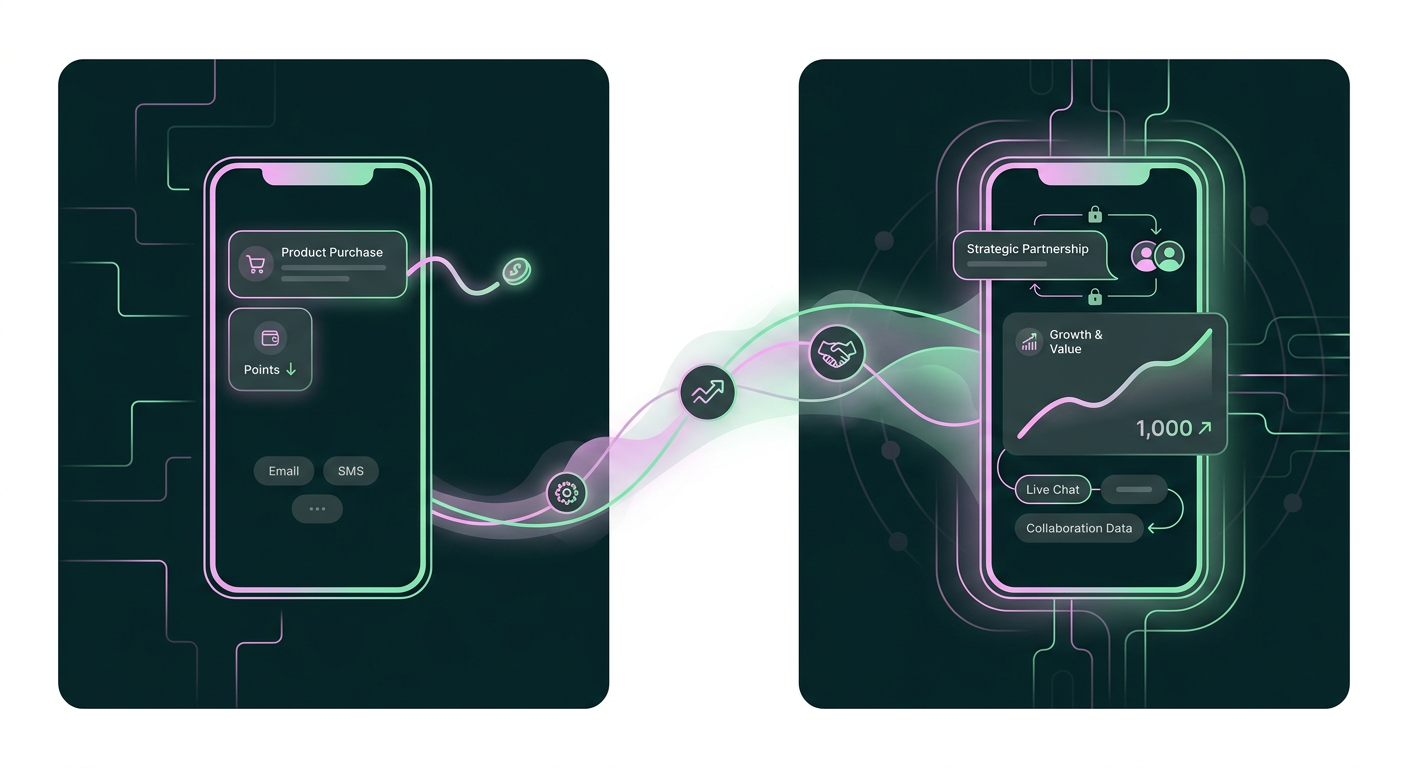
What This Shift Means for High-Value Account Management
For VIP Account Managers and heads of partner relations, this evolution in loyalty is a significant opportunity. Your role has always been about nurturing the company's most important relationships, but the scale of that task is expanding dramatically. While a transactional program could be managed with automated emails and a CRM dashboard, a relational program requires a level of personal attention that is difficult to deliver when you're responsible for hundreds or even thousands of high-value accounts.
Manually sending personalized check-ins, offering proactive support, and ensuring every top-tier partner feels individually seen is simply not possible for one person or even a small team. This is where the old toolset falls short. Generic automation and mass messaging are the opposite of the personalized, boutique experience you need to provide. A cold, robotic message sent to a "VIP" does more harm than good, eroding the exact trust you're trying to build.
The challenge, therefore, is to scale the unscalable: the personal touch. Success now depends on finding ways to provide consistent, thoughtful, and on-brand 1:1 attention to every key partner without getting overwhelmed. The companies that get this right see tangible results; those with effective B2B loyalty programs experience a 13% improvement in customer retention (opens in a new tab), which directly impacts the bottom line.
In Practice: Loyalty Programs That Scale the Personal Touch
So what does a modern, relationship-driven loyalty program look like in practice? It’s less about a single platform and more about a communications strategy that uses technology to replicate and scale the work of your best account manager. Intelligent systems can now deliver highly personalized 1:1 DMs on the channels where your partners actually communicate, like WhatsApp or Messenger.
For example, you can automatically send a tailored message to a portfolio of key partners to congratulate them on a recent company milestone, or proactively offer a resource based on their latest product activity. This isn't a generic "checking in" message, but a specific, relevant, and helpful interaction delivered in a conversational format. Crucially, this communication can be crafted to perfectly mirror your company’s unique brand voice, ensuring it feels like it’s coming from a trusted human colleague, not a machine.
These systems analyze partner data to identify moments that matter, like a dip in usage, a significant achievement, or an upcoming renewal, and then trigger a personalized outreach. This allows VIP managers to shift from a reactive support stance to a proactive partnership role, building goodwill and solving problems before they even arise. It's about using technology not to replace the human relationship, but to extend its reach and maintain its quality across a vast network of partners, creating a loyalty experience that is both deeply personal and operationally efficient. You can explore a variety of use cases that show how this personalized approach works (opens in a new tab) for different stages of the customer lifecycle.
How to Recalibrate Your Loyalty Strategy
Transitioning from a rewards-based system to an experience-driven one requires a shift in mindset and strategy. Instead of asking, "What can we give them?" the central question becomes, "How can we make them more successful?"
-
Map the Partner Journey: Begin by outlining every key touchpoint in your relationship with a partner, from their initial onboarding to their long-term engagement. Identify the moments where a personalized, proactive interaction could add significant value. Is it during the first 30 days? Before a contract renewal? When they encounter a common challenge?
-
Define Your Value-Added Services: Brainstorm what "partnership" means beyond your core product offering. This could include exclusive invitations to webinars with your product experts, access to a private community forum, or offering to feature their success in your own marketing materials. These relational benefits are often more valuable than a simple discount because they can't be easily replicated by competitors. Further explore some of these concepts in our guide to B2B customer loyalty programs that work.
-
Invest in Scalable Personalization: Acknowledge that your team cannot manually manage hundreds of personal relationships. Look for technology that empowers you to deliver 1:1 communication at scale, with the ability to maintain your brand's authentic voice as the critical factor. The goal is a system that assists your team in building relationships, not one that replaces them with cold automation. The right tools should feel like an extension of your team's capability, allowing you to be present for every important partner, every single day.
What to Watch: The Future of B2B Customer Relationships
The move toward relational loyalty isn't the final destination. The next step is proactive, almost predictive, partnership management. As technology becomes more adept at interpreting customer data, loyalty programs will evolve from reacting to partner behavior to anticipating their needs before they're even articulated. A system might flag a partner who is struggling with a specific feature and automatically send them a personalized DM with a helpful guide, or a note offering to connect them with a support specialist.
This level of proactive service solidifies your role as an indispensable ally, proving that you're paying attention and are invested in their success on a granular level. The investment required to build such a program is significant, but so is the return. As one report on the future of loyalty found, the vast majority of programs deliver a positive return on investment, with the average ROI in the US reaching an impressive 5.3x (opens in a new tab). This demonstrates that investing in a superior customer experience isn't just a cost center; it's one of the most powerful engines for sustainable growth. The future of B2B loyalty isn't about rewarding past transactions, but about earning the next one by being the partner your customers can't imagine succeeding without.
Frequently asked questions
How can we scale personal outreach to our top partners?
Scaling personal outreach requires using technology that can replicate the personal touch of a human account manager. The key is to move away from mass messaging and adopt systems that enable personalized 1:1 communication through channels like DMs. By using AI that can be trained on your specific brand voice and connected to partner data, you can automate relevant, timely check-ins and offers that feel authentic and add real value, allowing your team to maintain relationships with thousands of partners simultaneously.
What are the first steps to build a modern customer loyalty program for B2B?
The first step is to shift your focus from transactions to relationships. Begin by mapping out your partner's entire journey to identify key moments where proactive engagement could make a difference. Next, brainstorm value-added services that go beyond discounts, such as exclusive content, priority support, or co-marketing. Finally, evaluate technologies that can help you deliver these personalized experiences at scale while maintaining your unique brand voice.
Can AI really help me deliver a personal touch to our partners at scale?
Yes, but it depends on the type of AI. Legacy automation and generic chatbots often feel cold and impersonal. However, modern AI can be specifically designed to learn and replicate your brand's unique communication style. By analyzing customer data, it can trigger highly contextual and relevant DMs that address a partner's specific situation, making them feel seen and valued. This allows you to scale the quality of your interactions, not just the quantity.
How do I make sure our brand's unique voice stays consistent in all our communications?
Maintaining a consistent brand voice is critical for building trust. When using any communication tool, especially one driven by AI, you should prioritize platforms that allow for deep customization of tone, language, and style. The best systems are not pre-programmed with a generic voice but are instead trained on your own brand materials and past communications to act as a true extension of your team, ensuring every message sounds authentically like you.
What's the real ROI of investing in a better B2B loyalty experience?
The return on investment for a strong loyalty experience is significant and multifaceted. Financially, a 2025 report noted that 83% of loyalty programs achieve a positive ROI, averaging 5.3x in the US. Strategically, the ROI comes from improved customer retention, which is a powerful profit driver. Research from Bain & Company shows that a mere 5% lift in retention can increase profits by 25% to 95% by reducing churn and increasing the lifetime value of your partnerships.
What are some good examples of B2B customer loyalty programs that are not just about discounts?
Effective non-discount programs focus on providing exclusive value and strengthening the partnership. Examples include offering partners early access to new products or features, providing invitations to exclusive industry events or expert-led webinars, creating a private community for top partners to network and share insights, or featuring partner success stories in joint marketing campaigns. These benefits build a competitive moat based on value and community, not price.