
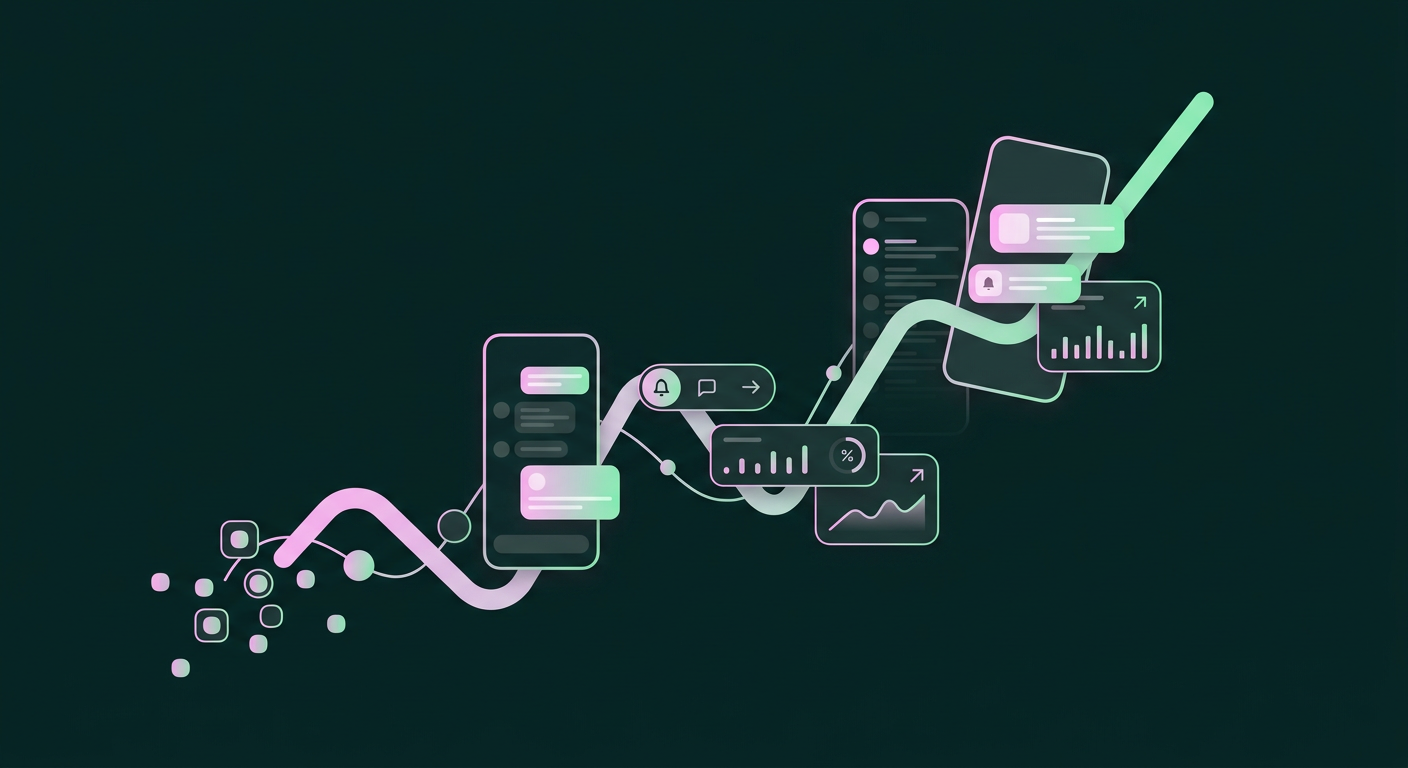
The long-held belief that mobile gaming growth comes from a constant firehose of new installs is officially obsolete. A fundamental shift is underway, moving the industry’s center of gravity from acquisition to retention. The clearest signal is a surprising market dynamic: the global mobile gaming market saw a 1.3% increase in revenue even as the overall number of downloads declined. This simple fact reveals a new reality for studios and publishers. The path to sustainable growth no longer lies in out-acquiring the competition, but in building deeper, more durable relationships with the players you already have. For lifecycle and CRM leaders, this changes everything, demanding a complete rethink of how we approach player engagement and, most critically, how we combat player churn.
The State of Mobile Gaming: A Paradigm Shift
Growth in mobile gaming now comes from retention and monetization, not new user acquisition. While downloads have leveled off, revenue continues to climb, which means the single most important priority for sustainable growth is combating player churn.
For years, the industry ran on a model of mass acquisition, treating a high churn rate as an unavoidable cost of doing business. But the context has changed. The market is maturing, and the data shows that simply pouring more money into user acquisition isn't the growth engine it once was. The focus must turn inward, toward the players who have already installed your game. This is a huge challenge, as on average, over 95% of mobile game installers will churn within 30 days on both major app stores.
This churn rate represents a massive, persistent leak in the bucket for most games.
"While some mobile game developers have better luck due to the stickiness of their product, on average over 95 percent of installers will be churned by 30 days across both iOS and Google Play." , Business of Apps
That statistic isn't just a benchmark; it's a call to action. In a market where new players are harder to come by, losing 19 out of every 20 players within a month is no longer sustainable. The studios that thrive will be those that can bend this curve, turning fleeting installs into engaged, long-term players.
From Mass Blasts to Meaningful Moments
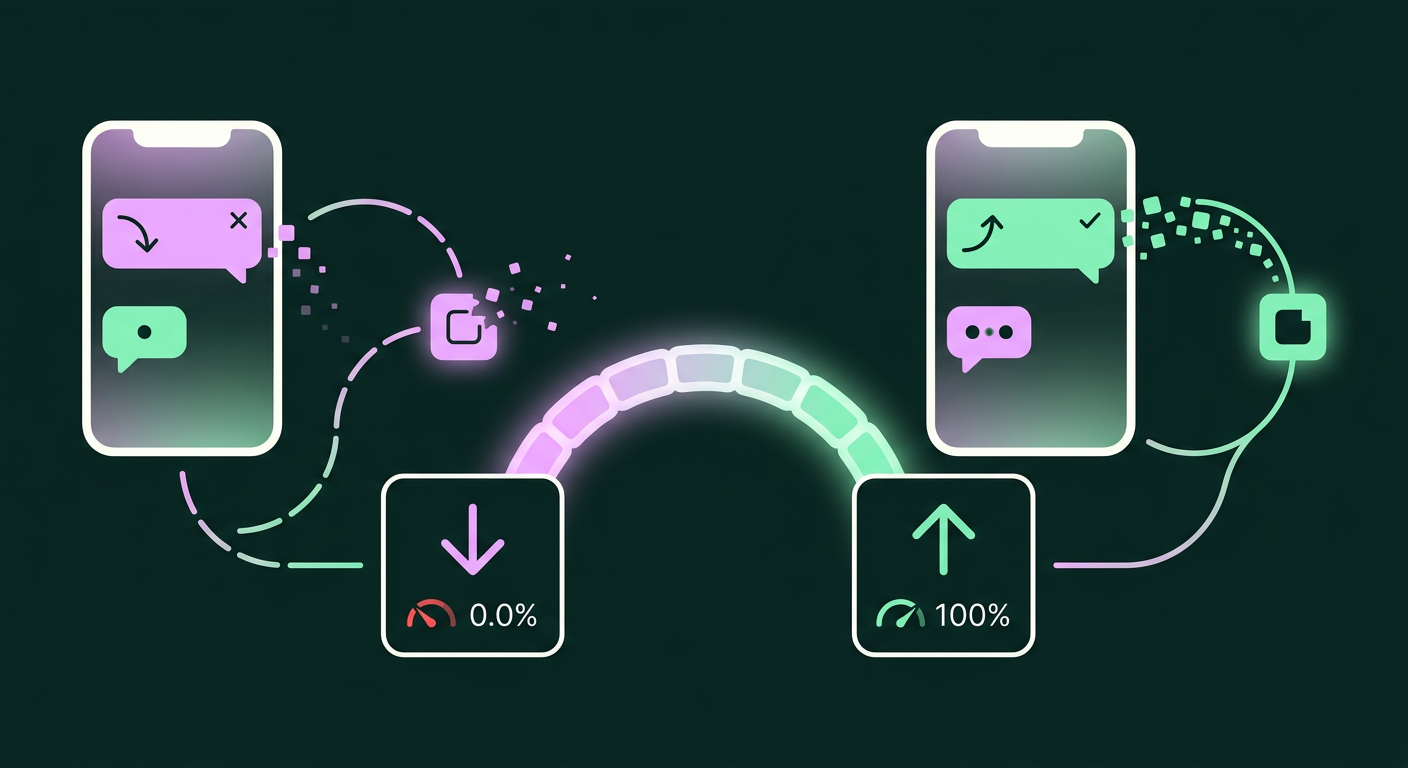
The old retention playbook of generic push notifications is failing. To cut through the noise and actually connect with players, you need to shift to hyper-personalized, timely messages delivered on the channels where they actually spend their time.
The traditional approach to player retention has been defined by a one-size-fits-all mentality. When a player’s engagement started to wane, the default response was to add them to a generic push notification campaign. These "We miss you!" messages were sent with little regard for who the player was, what they enjoyed about the game, or why they might have left. This strategy of mass communication is becoming less effective by the day and feels like a relic of a time when any outreach was better than none.
The Old Way: Generic, Untargeted Messaging
The core problem with the old way is its lack of context. It treats all lapsed players the same, whether they played for five minutes and dropped off during the tutorial or were a highly engaged player for 60 days who suddenly stopped. The messaging is disconnected from the player's actual in-game experience. This approach not only fails to re-engage players but can also backfire, leading them to mute notifications or uninstall the game altogether. It's an outdated strategy in a fast-moving industry where, as one analysis notes, information that is just two or three years old is already passé (opens in a new tab).
The New Reality: Hyper-Personalization at Scale
The new reality demands a (opens in a new tab) more intelligent, surgical approach. Instead of blasting generic messages, leading studios are delivering personalized 1:1 messages triggered by specific in-game behaviors and churn signals. Imagine a player gets stuck on a particularly difficult level. Instead of a generic push notification three days later, they receive a helpful tip via a direct message, arriving just when their frustration is mounting. Or consider a player who hasn't logged in for a few days after a major game update. A personalized message highlighting a new feature relevant to their past play style is far more compelling than a generic plea to return. This is the shift from broadcasting to conversing.
What This Means for Your Retention Strategy
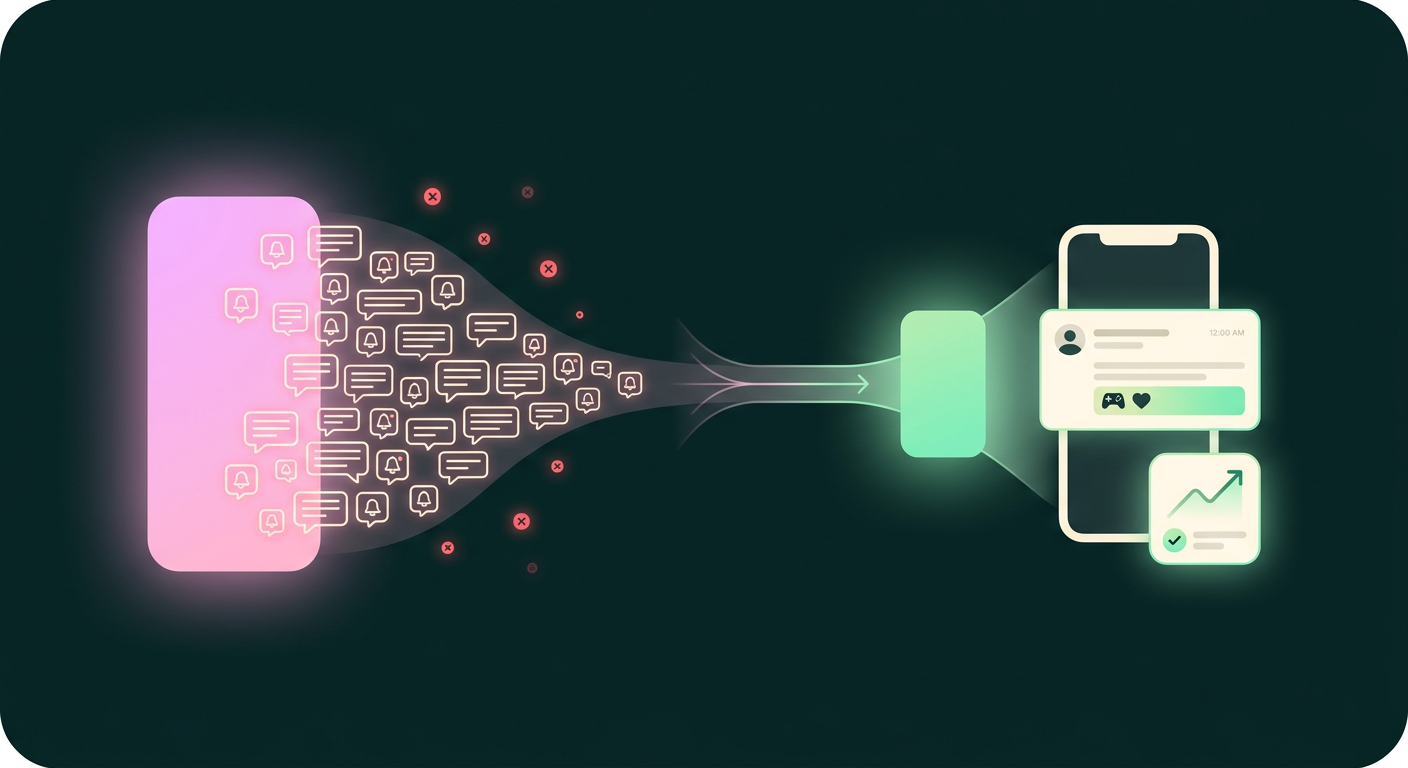
To make this work, lifecycle and CRM leaders need to change their tools and their thinking. The goal is to unify player data, live-ops context, and messaging channels into a single system that can power the individualized, automated campaigns this new approach requires.
To deliver the kind of personalized outreach that actually prevents player churn, you need a complete picture of your player. For most studios, however, that picture is fractured. Player event data might live in an analytics platform like Amplitude or Mixpanel. Your live-ops schedule and player segmentation might be managed in a separate backend system. And your communication tools, like push notifications or email, operate in their own isolated world. This fragmentation makes it nearly impossible to act on critical player signals in a timely and relevant way.
The strategic implication is clear: you have to break down these silos. The future of retention isn't about finding a better push notification provider; it's about building a system that can translate a player's in-game action (or inaction) directly into a personalized message on the right channel. When you can connect a player_stuck_on_level event to an automated DM that offers a hint, or a first_purchase event to a thank you message that unlocks a small bonus, you are no longer just managing churn. You are actively building a relationship and increasing customer lifetime value (opens in a new tab). This requires a new kind of tooling that prioritizes data connectivity and individualized messaging automation across the full player lifecycle.
Where Proactive Retention Is Already Working
This personalized, proactive approach isn't theoretical, it's already working. We can see its impact in the massive communities of top-tier games and in the impressive re-engagement and revenue numbers from targeted reactivation campaigns in other sectors.
We can see the power of deep engagement in the success of titles like Fortnite. While its gameplay is central, its ability to maintain a massive community is also a masterclass in retention. With estimates from early 2026 suggesting an active user base of around 110 million monthly active users (opens in a new tab), the game demonstrates how continuous updates, community events, and a sense of belonging can keep players invested for the long haul.
Beyond gaming, the results of personalized reactivation campaigns are even more direct and measurable. In one instance, a B2B company ran a targeted campaign to re-engage leads that their sales team had written off. The automated, personalized outreach booked 78 appointments in just three days (opens in a new tab), proving that a dormant audience is often just waiting for the right message. Similarly, an e-commerce retailer implemented a personalized re-engagement campaign that resulted in 20% of inactive customers making a purchase within the first month (opens in a new tab). These examples highlight a universal truth: a personalized, timely message is one of the most powerful tools for winning back users you thought were lost forever. The key is moving beyond generic ads and toward a new direct to consumer marketing strategy focused on owned channels.
How to Recalibrate Your Approach to Player Churn
To combat player churn effectively, you must evolve your strategy from reactive to proactive, using behavioral signals to intervene before a player leaves. It’s a shift from sending generic reminders to having context-aware conversations.
Adapting your strategy doesn't require you to abandon your existing tools overnight. It begins with a change in perspective and a series of deliberate steps to build a more intelligent retention engine.
Use Behavior Signals to Intervene Pre-Churn
The most effective way to reduce churn is to prevent it from happening in the first place. This means identifying the leading indicators that a player is losing interest. These signals are already in your data: decreasing session length, longer time between logins, failure to complete a key onboarding step, or getting stuck on a certain part of the game. By monitoring these behaviors, you can trigger interventions before the player decides to leave for good. For example, a player whose session frequency drops by 50% could automatically receive a message highlighting a new game mode they might enjoy.
Automate Targeted Campaigns, Not Generic Reminders
The power of automation should be used for precision, not volume. Instead of a single "lapsed player" bucket, create dozens of smaller, highly specific segments based on behavior. A player who didn't convert during a recent in-game event needs a different message than a player who hasn't logged in since the last app update. Automate campaigns that speak directly to each of these micro-segments. This ensures every message feels relevant and personal, dramatically increasing the odds of re-engagement and making it easier to start re-engaging inactive users in your community app.
Pilot a Personalized Reactivation Campaign
Start small and prove the model. Identify a segment of recently churned players (for example, those inactive for 14-30 days). Instead of just sending a push notification, design a simple, automated DM campaign that acknowledges their last known point of engagement. For instance, "Hey [PlayerName], we noticed you were close to unlocking the next arena in [GameName]. We just added a new hero who would be perfect for it. Want to take a look?" Measure the response rate and compare it to your baseline. This kind of pilot can provide the compelling data needed to justify a broader strategic shift toward personalized, 1:1 communication.
What to Watch: The Future of Player Engagement
The next step is to integrate gameplay events directly with real-time, conversational messaging. This approach transforms communication from an occasional marketing tactic into an integral part of the player experience, creating a continuous, supportive dialogue that extends beyond the game itself.
The work of preventing player churn is evolving from a series of disconnected campaigns into a single, cohesive lifecycle strategy. The most forward-thinking studios are already working towards a future where the line between playing the game and communicating about the game disappears. This means triggering messages based not just on high-level behaviors like session starts, but on granular, real-time gameplay events.
Imagine a system where a player running low on a specific resource automatically gets a targeted offer to replenish it, delivered via a non-intrusive DM. Or a player who just achieved a new high score receives an immediate, shareable graphic to post on social media. This level of integration creates a deeply engaging feedback loop that makes players feel seen, supported, and valued. It moves your relationship from transactional to conversational. The studios that master this full-funnel approach, using personalized 1:1 DMs to guide and support players at every stage, will be the ones who build the most loyal and valuable communities in the years to come.
Frequently asked questions
How can I use behavior signals to get ahead of player churn?
Start by identifying key negative behaviors that often precede a player leaving. This could include a noticeable drop in session length or frequency, failing to log in for three consecutive days, or repeatedly failing a specific level or challenge. Once you've identified these signals in your analytics, you can set up automated triggers to send personalized, helpful messages. For example, if a player is stuck, you can send a DM with a hint or a small boost, intervening with support before frustration leads them to quit.
What kind of message should I send when a new player drops off during the tutorial?
When a player leaves during the tutorial, the goal is to gently guide them back to the point of friction. Avoid generic "we miss you" messages. Instead, send a specific, helpful message that references where they left off. For example: "Hey, looked like you were just about to learn how to craft your first item in [GameName]! It's a key step to building your base. Got a minute to jump back in and finish up?" This acknowledges their progress and provides a clear, low-effort next step.
What are the best metrics to build useful player segments for retention?
Go beyond simple metrics like D7/D30 retention. To build truly effective segments, combine behavioral, transactional, and engagement data. Key metrics include session frequency, average session length, progress in the core game loop (like levels completed or items crafted), monetization habits (like spender vs. non-spender or average purchase size), and social engagement (like guild participation or friend invites). Combining these allows you to create micro-segments like "High-Value Players with Declining Engagement" or "New Players Stuck in Onboarding."
How can my game automate churn prevention without sending annoying, generic reminders?
The key is to replace generic reminders with triggered, context-aware conversations. Instead of a single campaign for all "inactive" players, create dozens of small, automated campaigns tied to specific behavioral triggers. Base your messaging on what the player was doing (or not doing) in the game. If they stopped playing after a major update, message them about a new feature relevant to their play style. If they're a competitive player who missed a tournament, let them know when the next one is. Automation should enable relevance at scale, not just volume.
How can I diagnose and act on early churn during a soft launch?
A soft launch is the perfect time to diagnose churn. Focus on the new player funnel and identify the specific points where the largest drop-offs occur. Is it during the tutorial? After their first session? Before they join a team? Use your analytics to pinpoint these friction points. Then, you can act on this data by setting up targeted messaging experiments aimed at those specific moments. For example, you can test different DMs for players who don't return for a second session, offering a small welcome bonus to encourage them back.